
The Closed Circle
Lebanon’s art scene cannot renew itself if recognition keeps circulating through the same small network. This essay examines when long-term representation becomes gatekeeping and what galleries, institutions and collectors must do to make room for artists still outside the circle.
Experiential Design and the Architecture of Attention
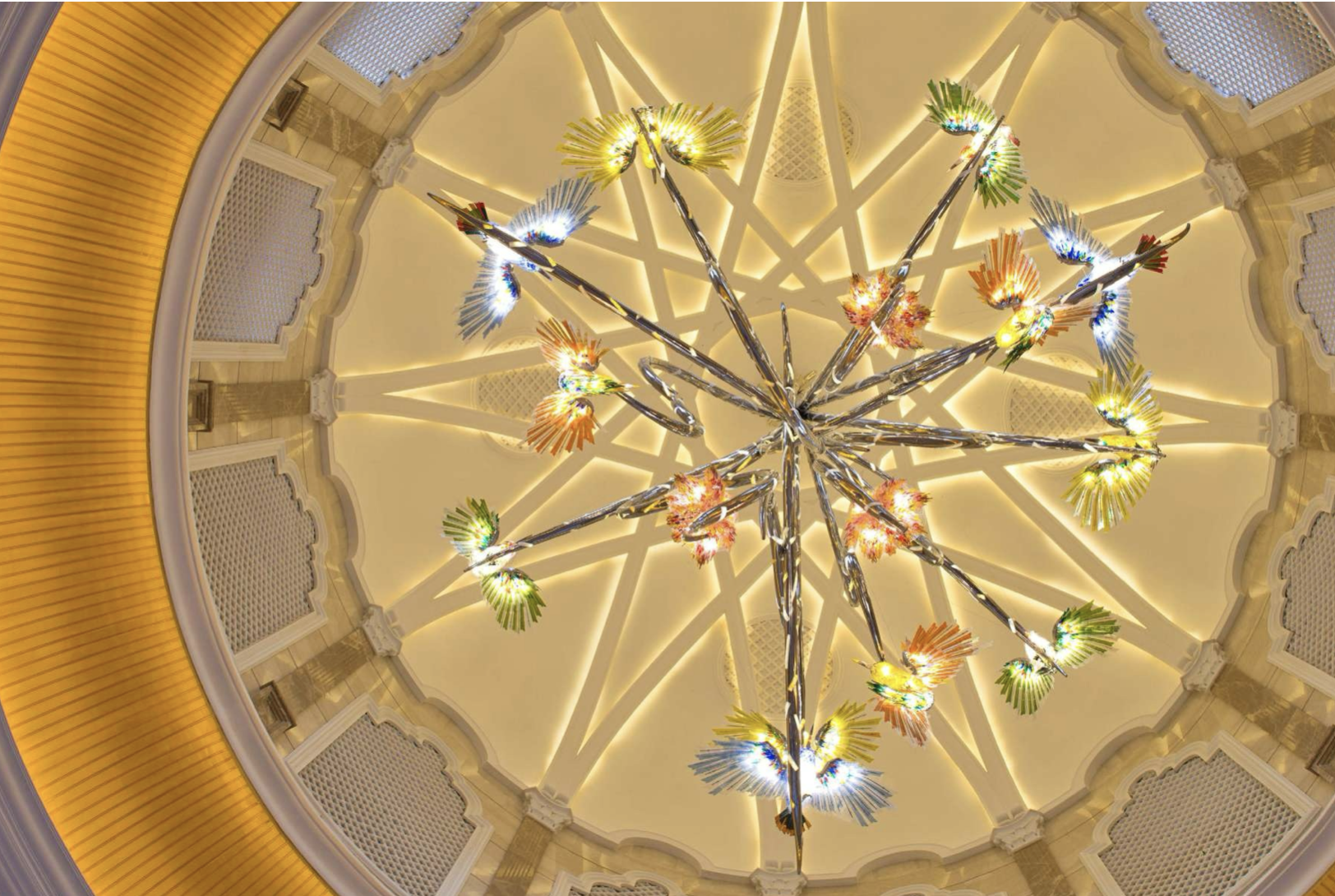
Experiential design is not about filling a room with technology. It is about choreographing attention, how people move, what they feel, and what they remember. Mohamad Ali Makouk examines the difference between spectacle and meaning through Rain Room, Fuwairit Kite Beach, and landmark installations in Qatar’s hospitality spaces.
THE CANON OF WHAT ESCAPED
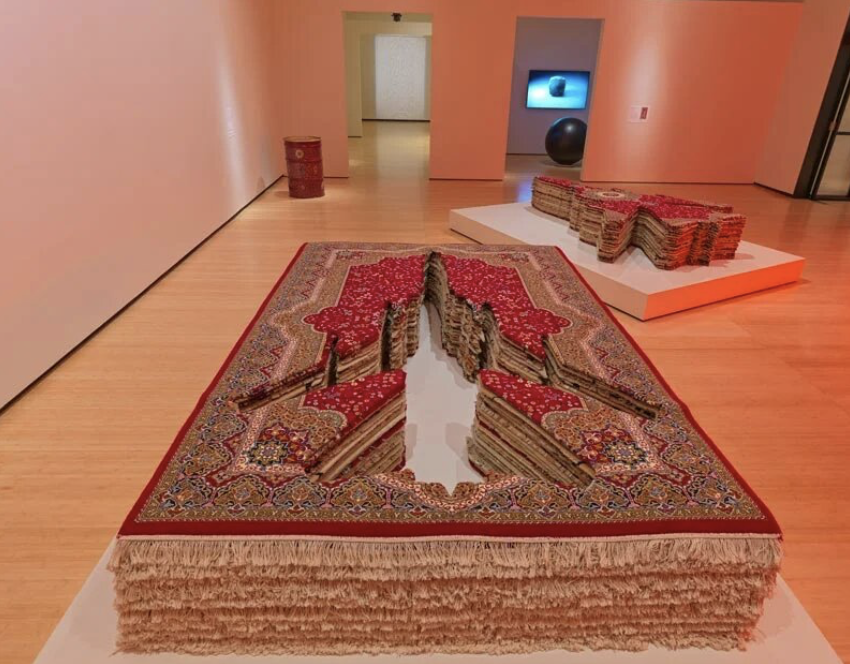
War does not only destroy culture. It redistributes the power to define it. As conflict and sanctions fracture Iran’s cultural infrastructure, Iranian art may become more visible abroad while the authority to authenticate, circulate, collect and historicise it moves elsewhere. This essay examines a deeper consequence of war: not the disappearance of Iranian art, but the possibility that its future canon will be written from what escaped.

Why So Much Arab Art Looks Like It Was Made for Foreign Audiences
Arab artists are often expected to arrive with a recognisable identity: war, exile, veils, borders and Arabic script. This essay examines how institutions, markets and artists themselves have turned Arabness into a form of cultural packaging for international consumption.

Contemporary Arab Art and the Edited Image
In the Arab world, being seen is not vanity. It is legitimacy. This essay examines how family, class, religion, culture and contemporary art participate in the production of the Arab public image.
Can an Israeli Artist Be Patriotic Without Becoming Suspect?
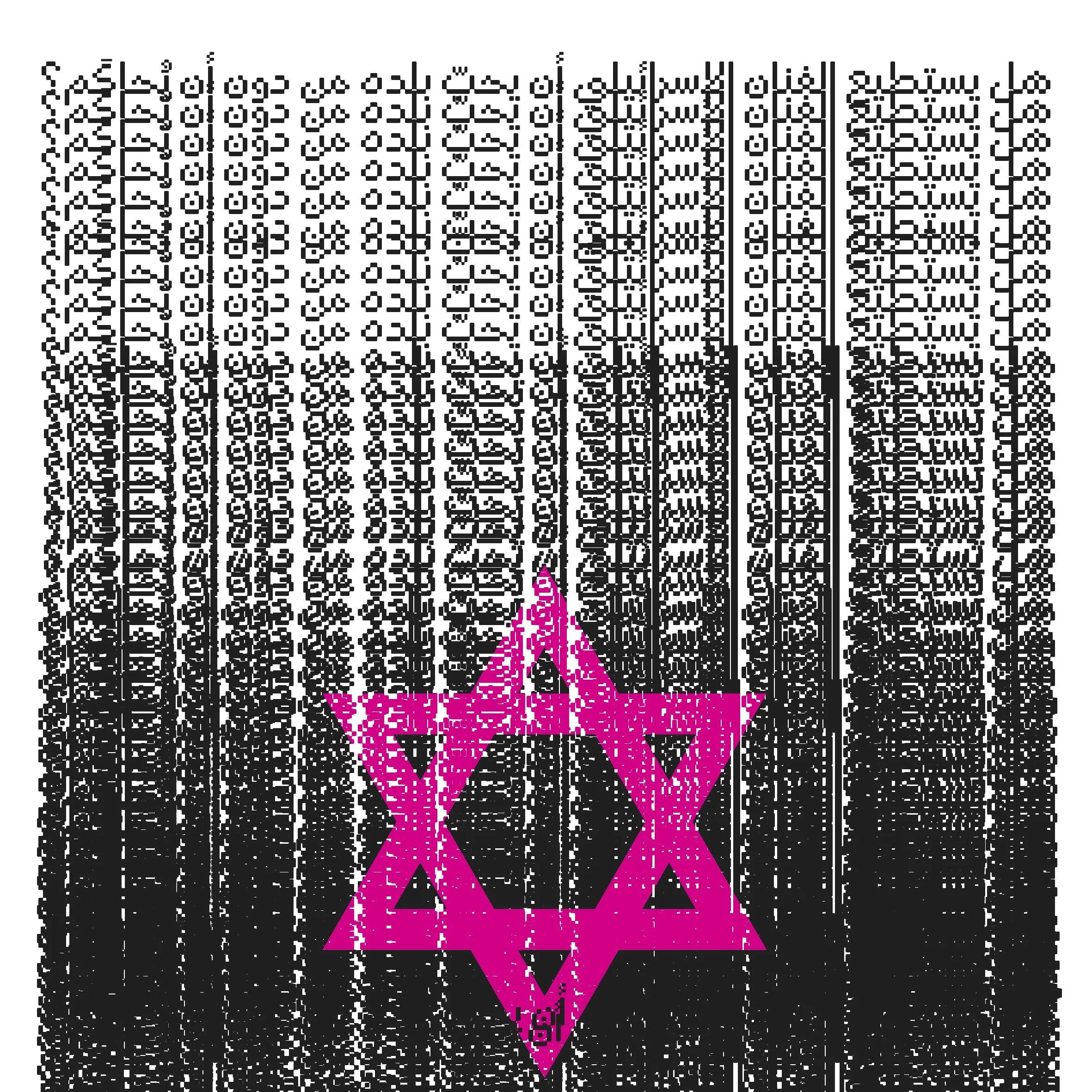
Contemporary art loves the dissident. It is less comfortable with the patriot. In Israeli contemporary art, artists are often trapped between two suspicions: criticize the state and you may be accused of betrayal at home; express attachment to the country and you may be accused of complicity abroad. This essay asks whether contemporary art still has room for artists who refuse to choose between belonging and critique.
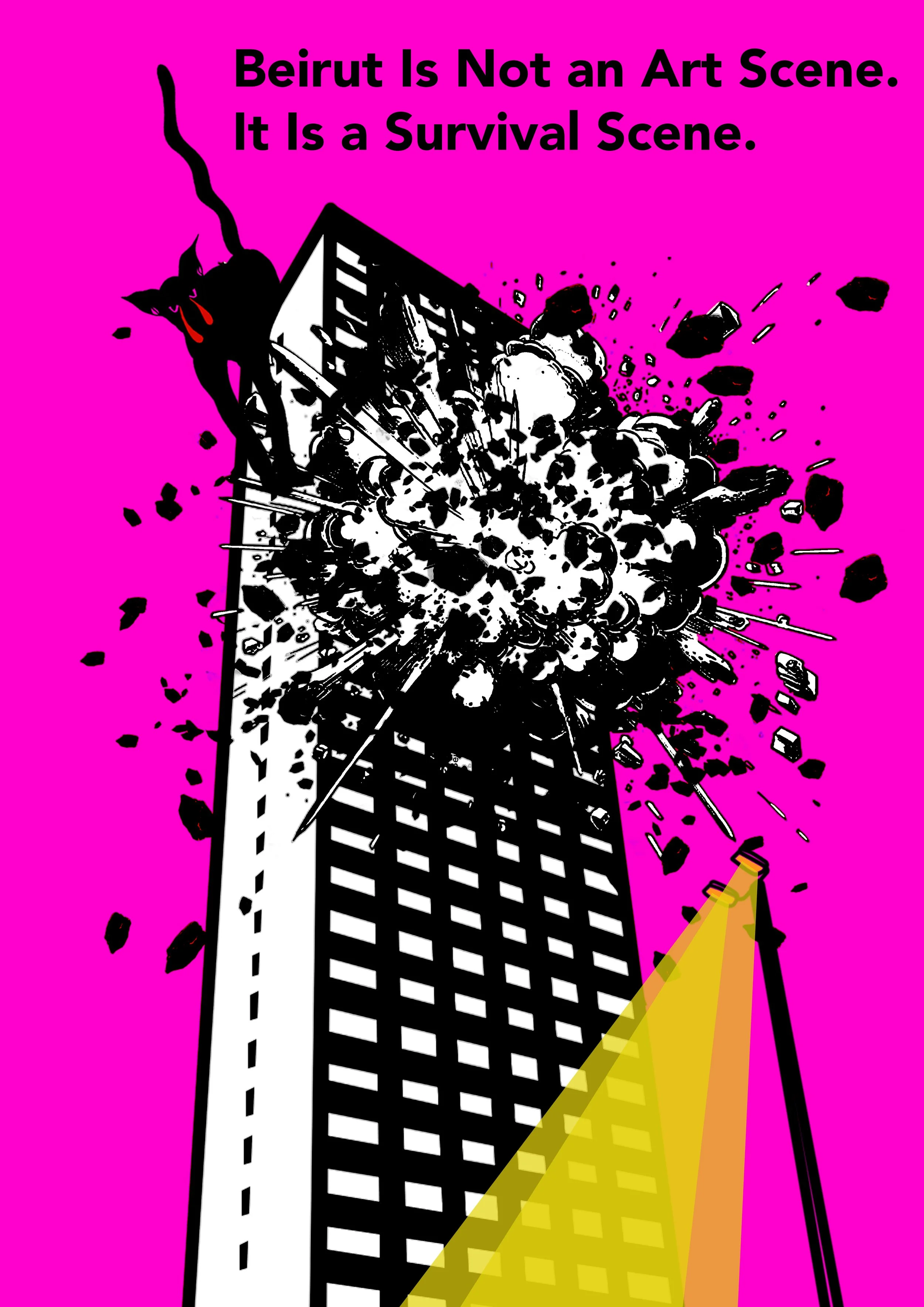
Beirut Is Not an Art Scene. It Is a Survival Scene.
Beirut is often praised for its vibrant art scene. But beneath the openings, galleries, festivals, and resilience narratives, Lebanon’s cultural sector is operating in survival mode. The problem is not a lack of artists. The problem is the absence of serious cultural infrastructure.
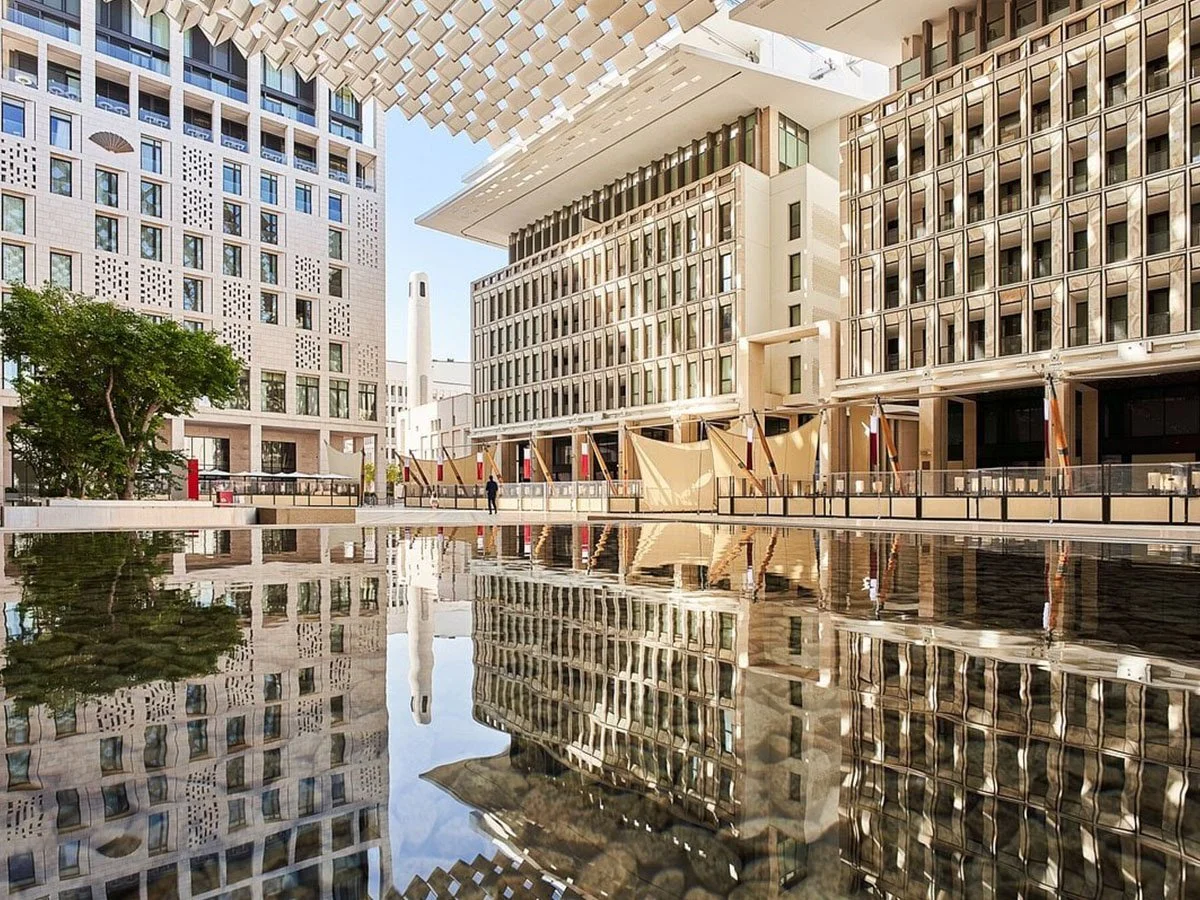
The Architecture of Boredom
Some cultural districts do not fail because they are ugly. They fail because they are too finished. They arrive sealed, polished, controlled, branded, and photographed before anyone has had the chance to belong to them. The result is a strange contemporary condition: billions invested in cultural visibility, yet very little emotional life. This is the architecture of boredom.

The Death of Risk in Contemporary Art
Contemporary art has never spoken more loudly about politics, identity, climate, power, trauma, and justice. Yet it has rarely felt less dangerous. The problem is not that artists stopped taking risks. The problem is that risk now passes through committees, sponsors, curators, legal departments, publicists, collectors, insurance policies, and social media anxiety before it is allowed to appear in public.
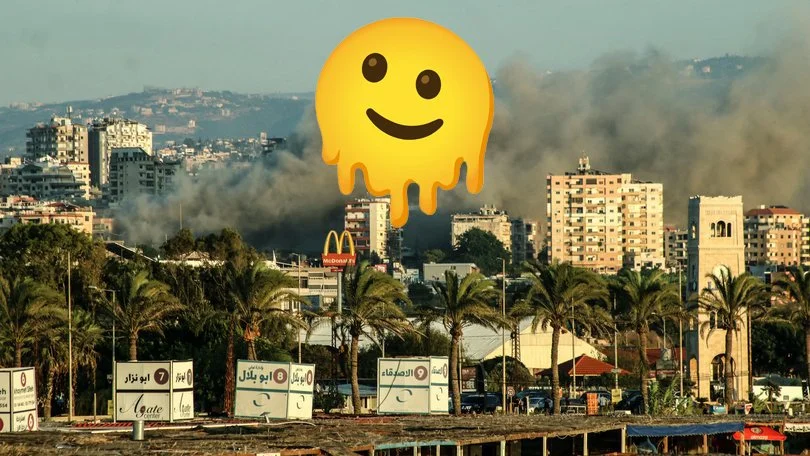
Can a Broken City Produce Better Art?
A broken city does not automatically produce better art. It may produce sharper artistic thinking when artists refuse to let collapse become either shame or brand. Beirut’s lesson is not that pain makes art better. Beirut’s lesson is that art becomes powerful when it refuses to lie about the systems that shape life.
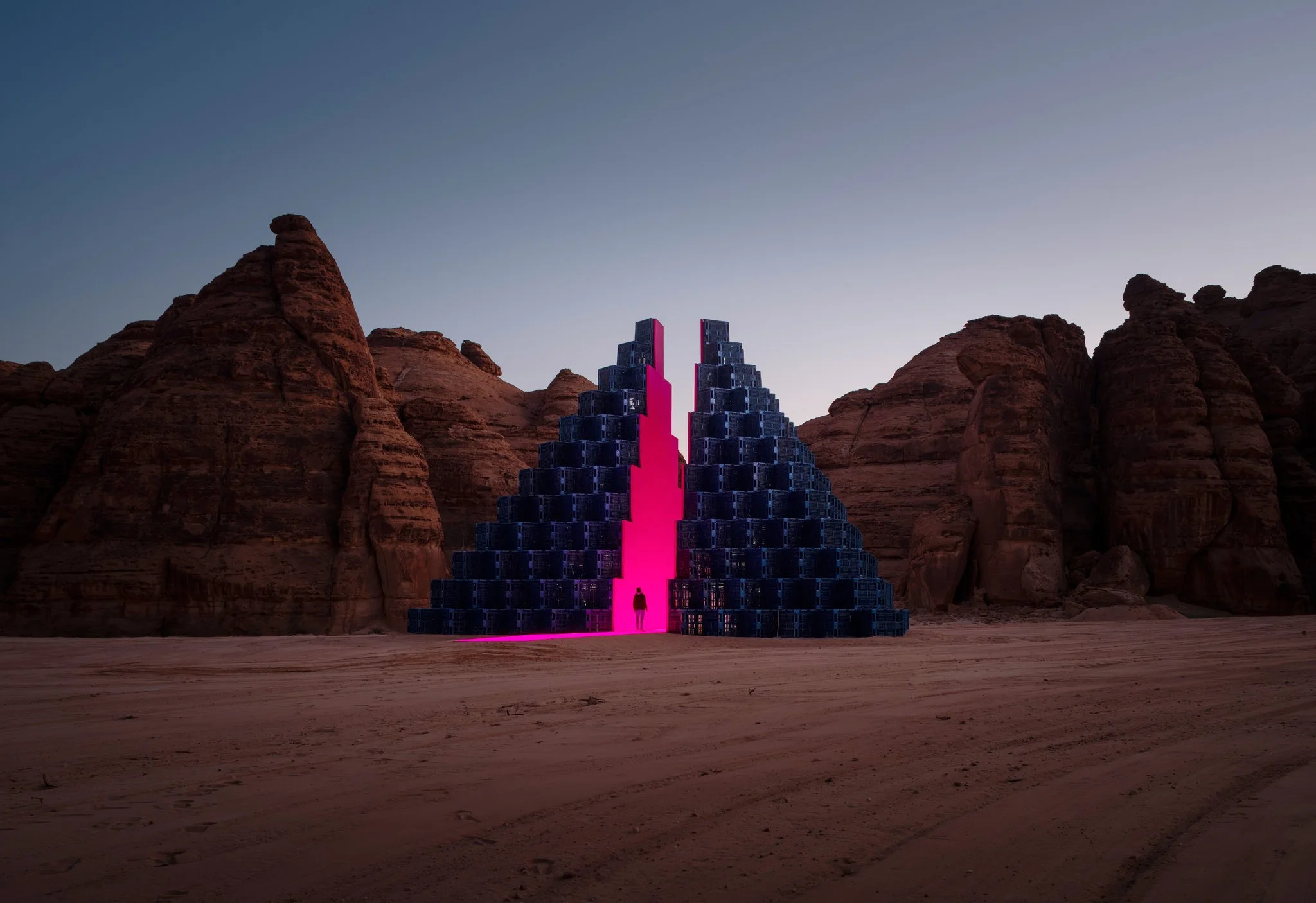
How Saudi Arabia Is Creating Opportunities for Artists, Designers, and Cultural Producers
Saudi Arabia is not only opening doors for artists. It is building the rooms, institutions, districts, funds, commissions, museums, residencies, festivals, and public platforms where artists, designers, and cultural producers can work at scale. This is the real cultural opportunity of Vision 2030: not a single art boom, but the construction of an ecosystem. For Core Art Strategies, this moment opens a clear role: to help translate cultural ambition into art strategy, site-specific commissions, curatorial programs, public art, hospitality art, collection development, and long-term cultural value.
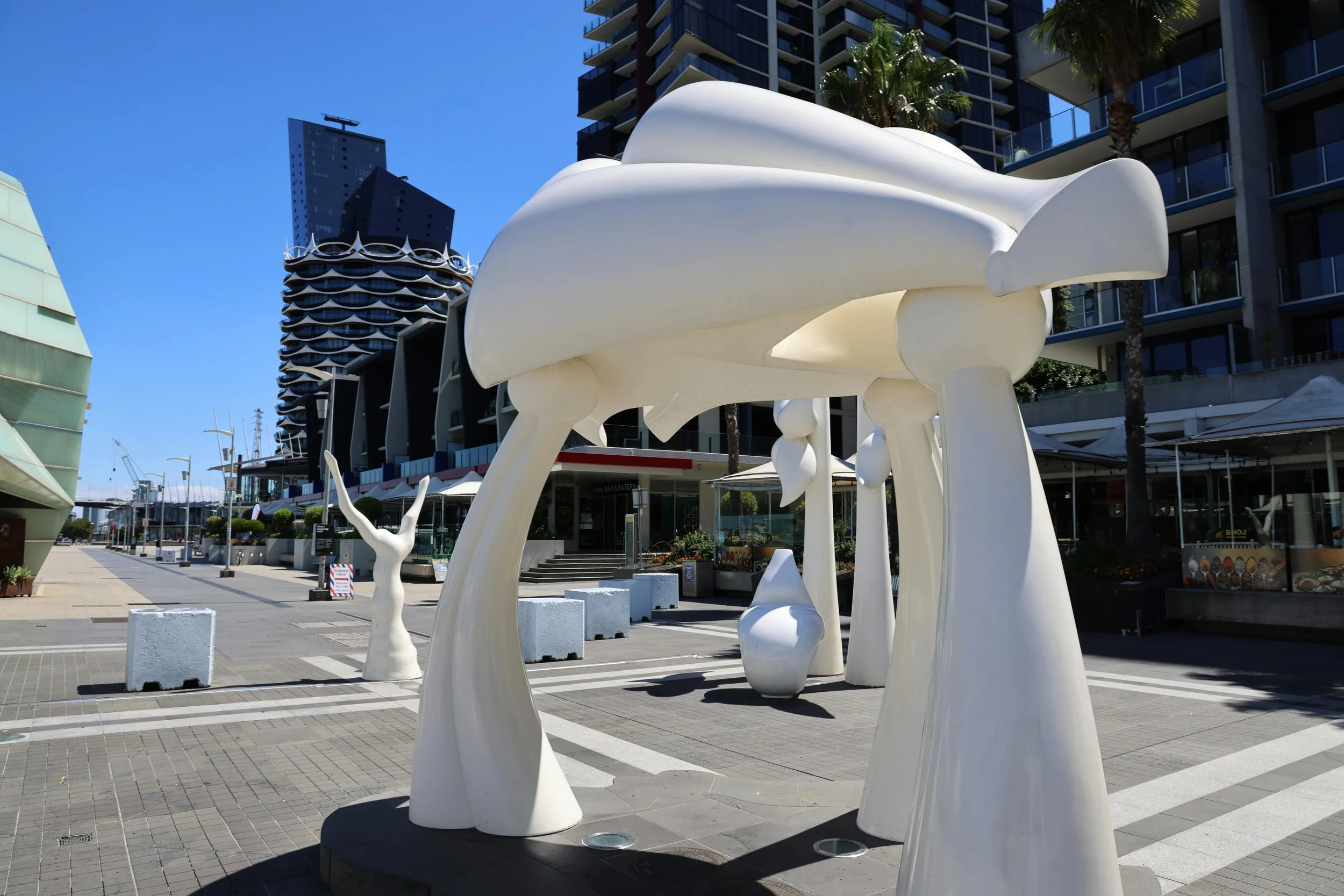
How the GCC Is Becoming One of the World’s Most Ambitious Cultural Laboratories
The Gulf is no longer only building skylines. It is building cultural systems. Across Saudi Arabia, Qatar, and the UAE, museums, public art programs, hospitality destinations, heritage districts, biennales, creative economies, and urban masterplans are converging into one of the most ambitious cultural transformations in the world. For Core Art Strategies, this moment is not simply an opportunity to place artworks in projects. It is an invitation to help shape cultural identity through art strategy, commissioning, curatorial thinking, and long term value creation.
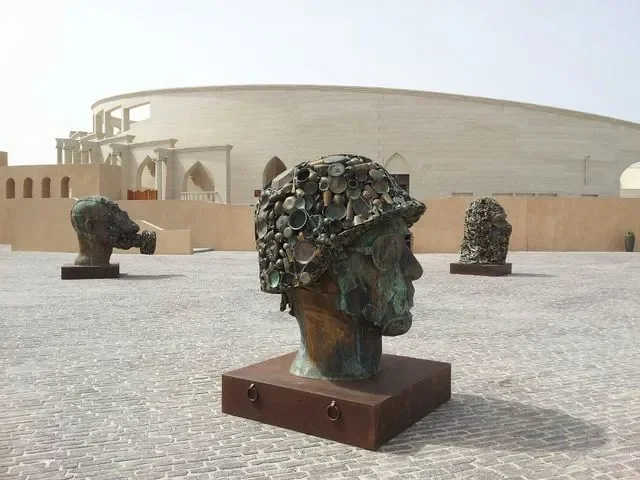
Why Public Art Fails When It Becomes Procurement
Public art fails when it is treated as procurement because procurement can buy an object, but it cannot produce cultural meaning. A tender may define size, material, budget, insurance, delivery date, and installation method, but it rarely defines why the work should exist, who it speaks to, what memory it carries, or how it belongs to the place.
This is the failure of lazy public art. It enters the project too late, after the architecture has been decided, the circulation fixed, the budget compressed, and the cultural question reduced to a deliverable. The result is often a large object in a public space that looks expensive but says very little.
In the Gulf, where cities are investing heavily in museums, districts, hospitality, and public realm projects, this distinction matters. Public art should not be a decorative item added to prove cultural ambition. It should be commissioned as part of a larger civic, architectural, and historical conversation.
When public art becomes procurement, the artist becomes a supplier. When it becomes a cultural commission, the artist becomes an interpreter of place. That difference is everything.
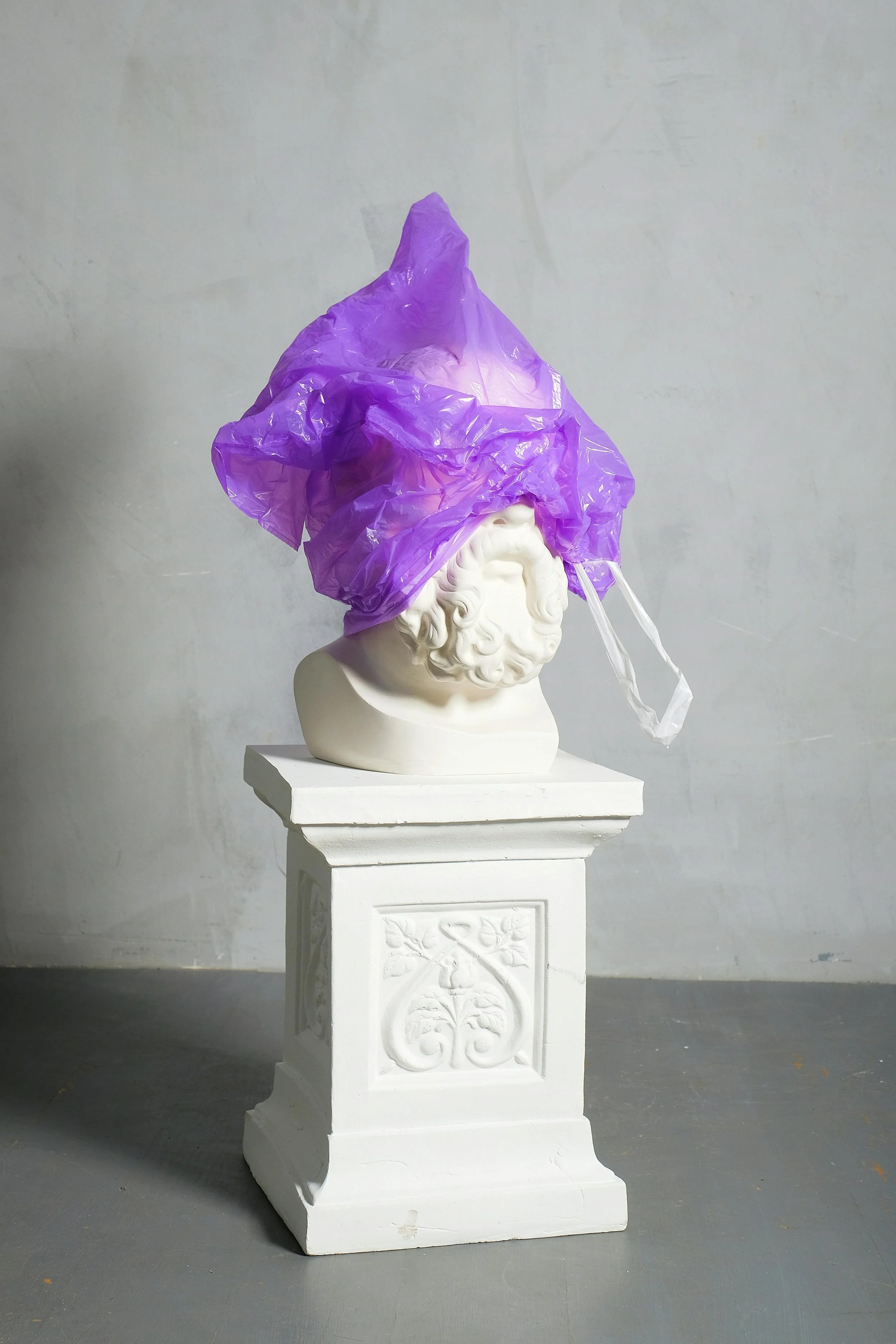
Why Being an Artist Is a Strategic Advantage in Art Consultancy
In art consultancy, being an artist is not a decorative credential. It is a strategic advantage. An artist understands what happens before an artwork becomes an object of acquisition, placement, or value. He understands scale, material, doubt, failure, revision, and the fragile moment when an idea either gains force or collapses into decoration.
For developers, hotels, corporate clients, and cultural institutions, this matters. Serious art programs are not built by filling walls after the architecture is finished. They require translation between artists, architects, fabricators, operators, brands, budgets, and audiences. A consultant who is also an artist can read what a spreadsheet cannot: whether a commission has presence, whether a material carries meaning, whether a space needs restraint, and whether luxury has become a mask for emptiness.
This is especially relevant in the Gulf, where cultural investment, hospitality development, and public-facing art programs are expanding at extraordinary speed. The region does not need more expensive objects placed in expensive rooms. It needs sharper cultural intelligence, stronger briefs, and advisers capable of protecting the integrity of art while making it work within architecture, strategy, and long-term value.
At Core Art Strategies, this dual perspective shapes the work. Art is approached not as inventory, but as a system of meaning. The artist-consultant does not merely select what looks appropriate. He helps define what the project is trying to become.

Artists, Developers, and the Gap Between
Most projects call the art consultant too late. By the time the conversation begins, the architecture is finished, the lighting is fixed, the walls are closed, and art is left negotiating with decisions it should have helped shape. In this essay, Mohamad Makouk of Core Art Strategies examines why cultural strategy must enter before architecture becomes irreversible.
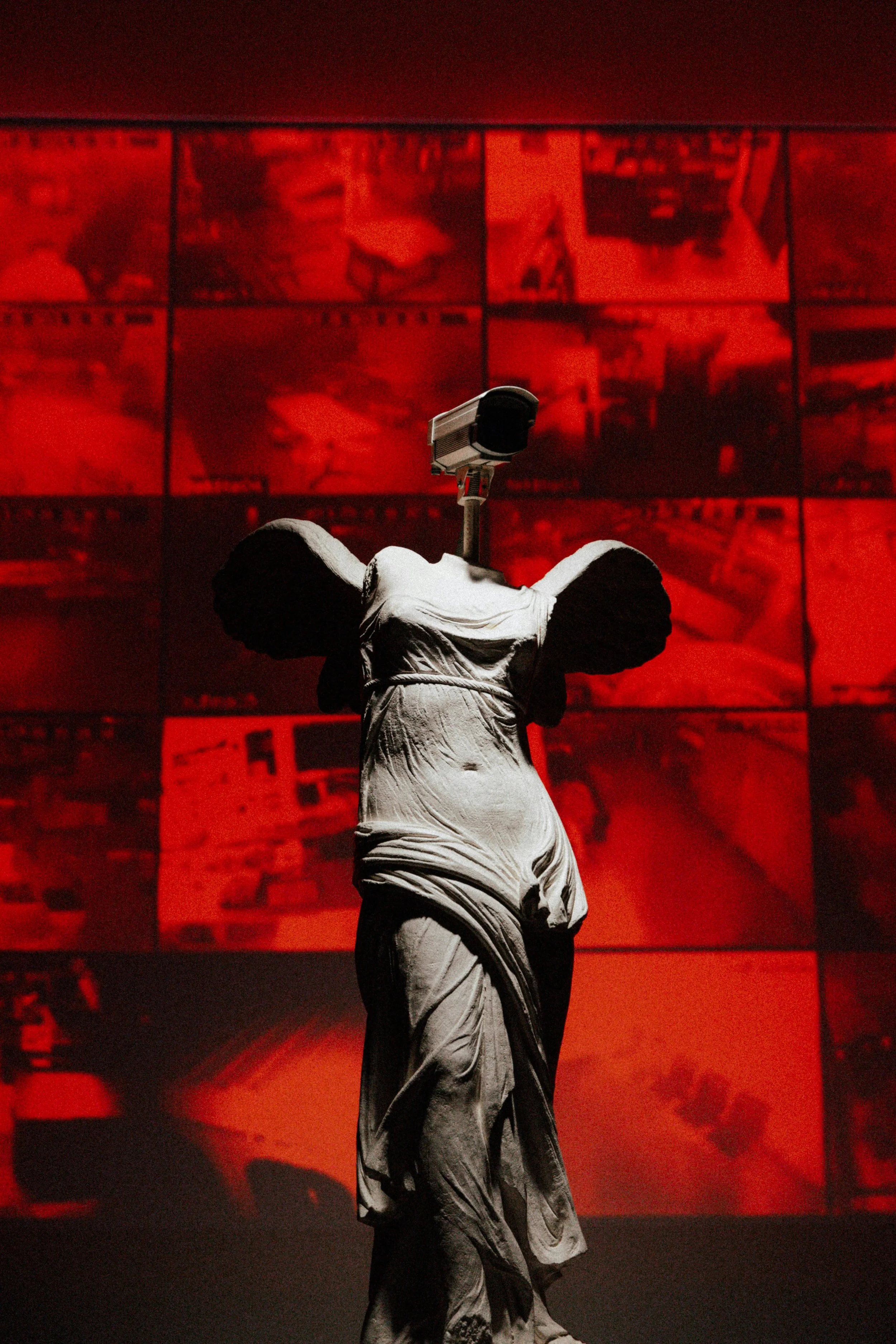
Why Hotels Need Cultural Intelligence
Hotels do not need more things on walls. They need cultural intelligence. In this essay, Mohamad Makouk of Core Art Strategies argues that hospitality art strategy must move beyond decoration and procurement, toward atmosphere, identity, memory, and site-specific experience.
When Art Arrives Late
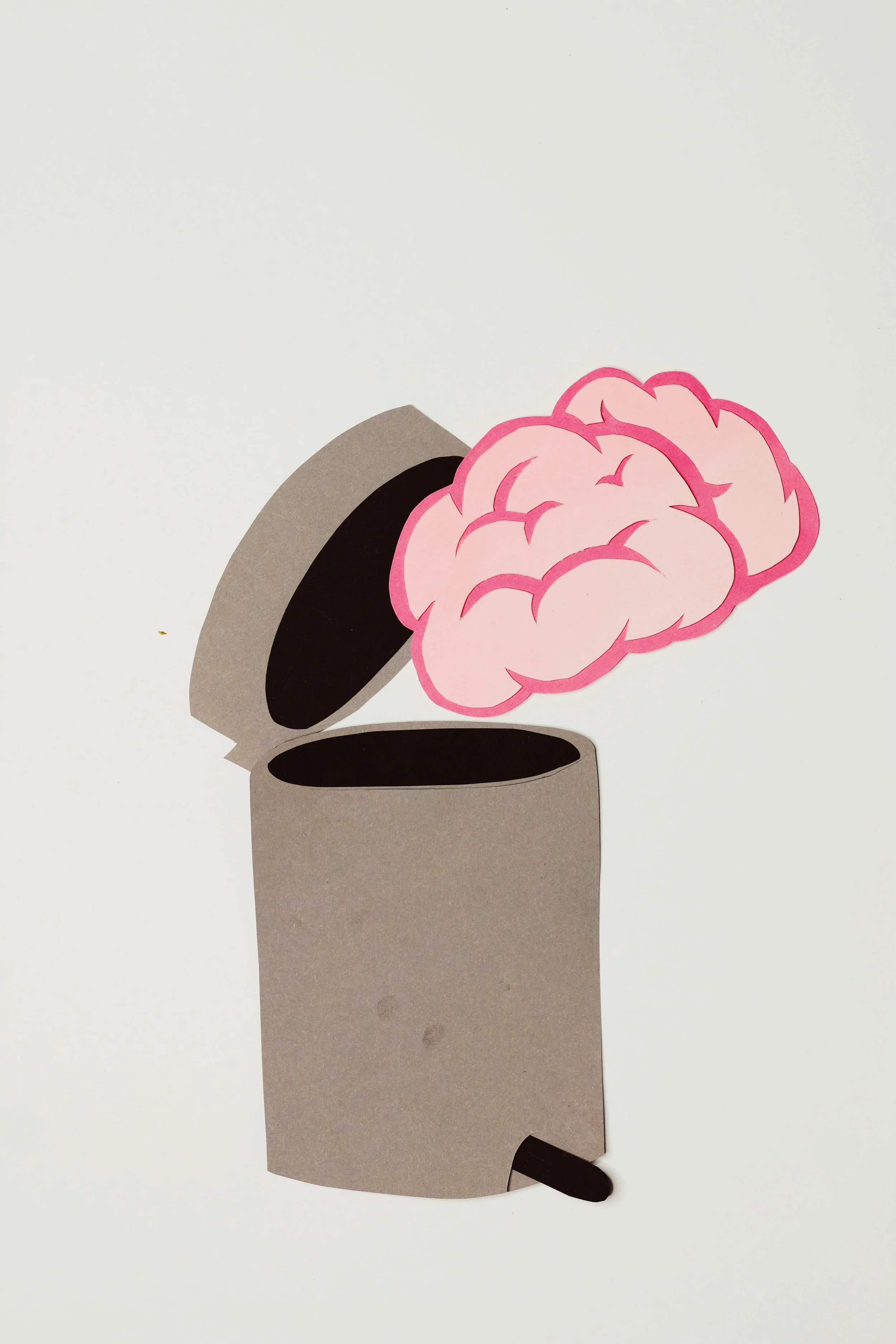
Most projects call the art consultant too late. By the time the conversation begins, the architecture is finished, the lighting is fixed, the walls are closed, and art is left negotiating with decisions it should have helped shape. In this essay, Mohamad Makouk of Core Art Strategies examines why cultural strategy must enter before architecture becomes irreversible.
Beirut Is Not a Backdrop
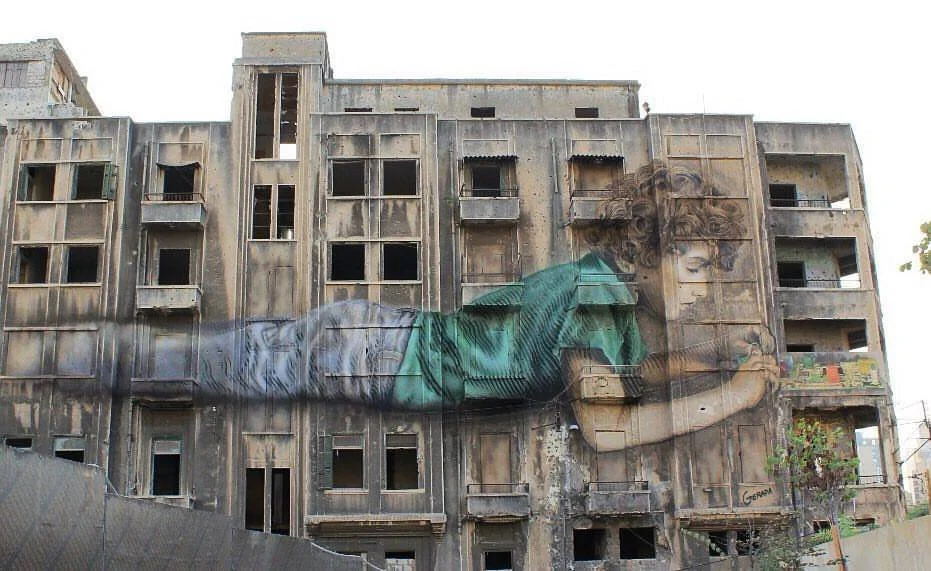
Beirut is one of the most visually consumed cities in the region and one of the least strategically read. It is photographed as texture, sold as nightlife, mourned as ruin, branded as resilience, and romanticized as chaos. But a city is not an aesthetic mood board. It is a system of land, memory, power, movement, ownership, grief, commerce, public space, private survival, and visual control. If art enters such a city without cultural strategy, it does not heal the city. It becomes one more image placed on top of unresolved meaning.
Why Beirut Needs Cultural Infrastructure, Not More Events
Beirut does not suffer from a lack of cultural activity. It suffers from a surplus of cultural moments and a shortage of cultural continuity. The city knows how to gather people, stage emotion, transform damaged buildings into venues, and turn survival into atmosphere. But an exhibition is not an archive. A festival is not an education system. A pop-up is not a collection. If nothing remains after the opening night except photographs, applause, and exhaustion, then culture has not been built. It has only passed through.
What Beirut needs now is not more temporary brilliance. It needs cultural infrastructure: archives, collections, residencies, education, research, public programming, and long-term strategy. Less spectacle. More structure. Less romantic disappearance. More systems that allow artists, institutions, and memory to survive beyond the event.
Saudi Arabia in the Plural
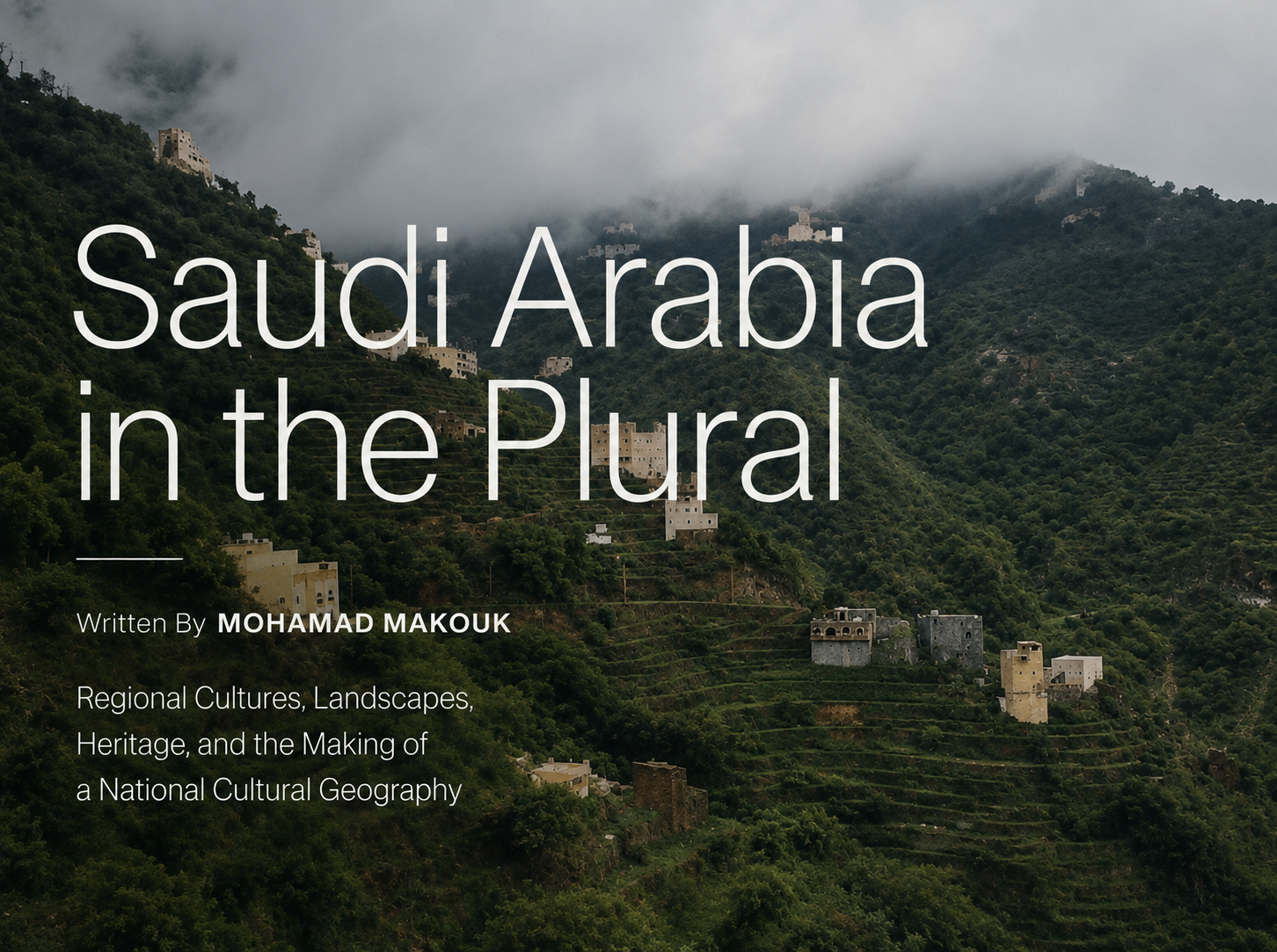
Beyond the familiar symbols of Saudi identity lies a remarkably diverse cultural geography. From the merchant cities of Hijaz and mud settlements of Najd to Asir’s mountain cultures, Al-Ahsa’s oasis civilization and the maritime worlds of the Red Sea and Gulf, this study examines how landscape, migration, trade and history shaped the Kingdom in the plural.